The hermit and monastic footprint
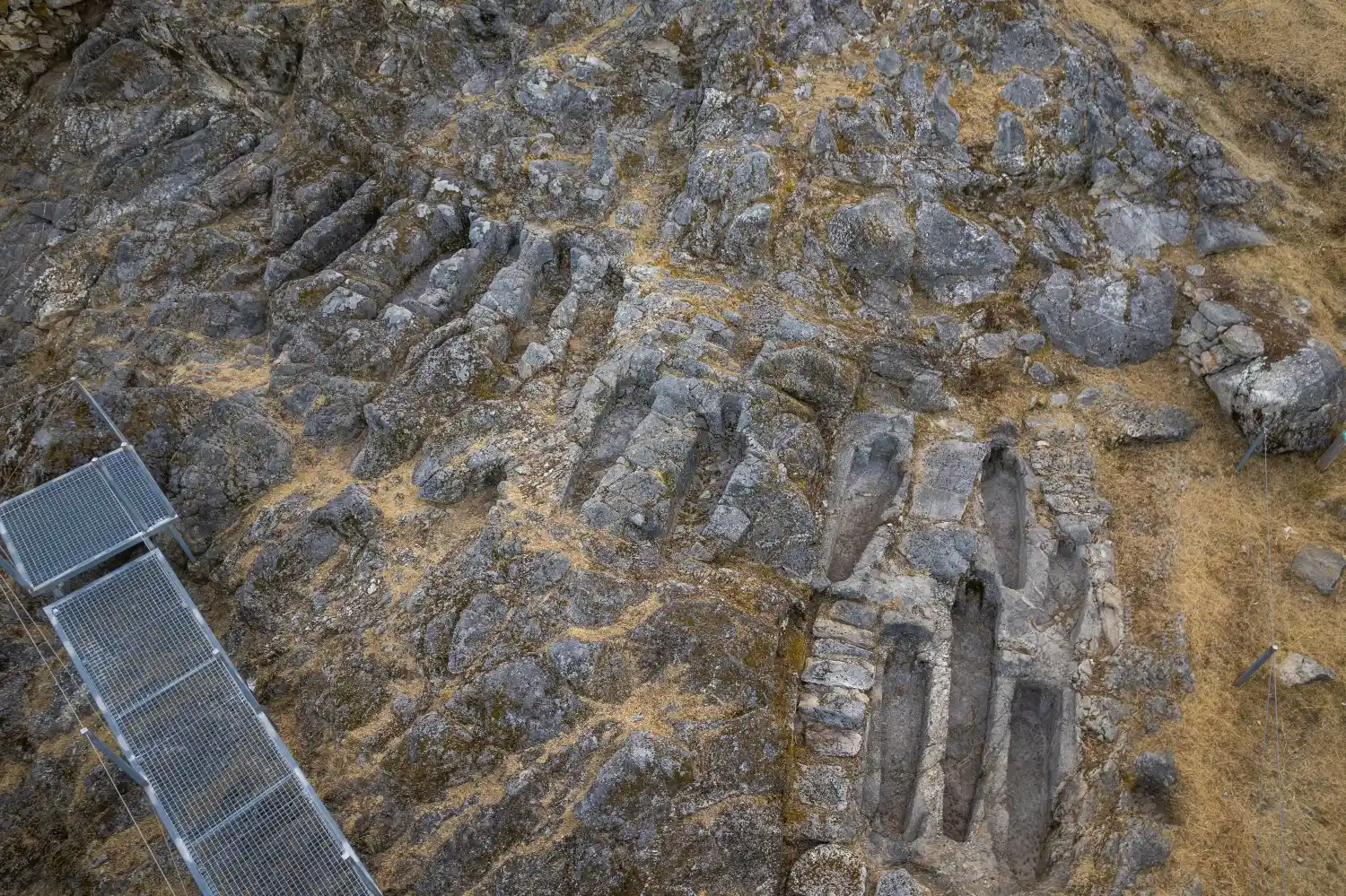
The hermit and monastic presence shaped much of the distinctive and functional traits of the cultural waterscape.
‹
›
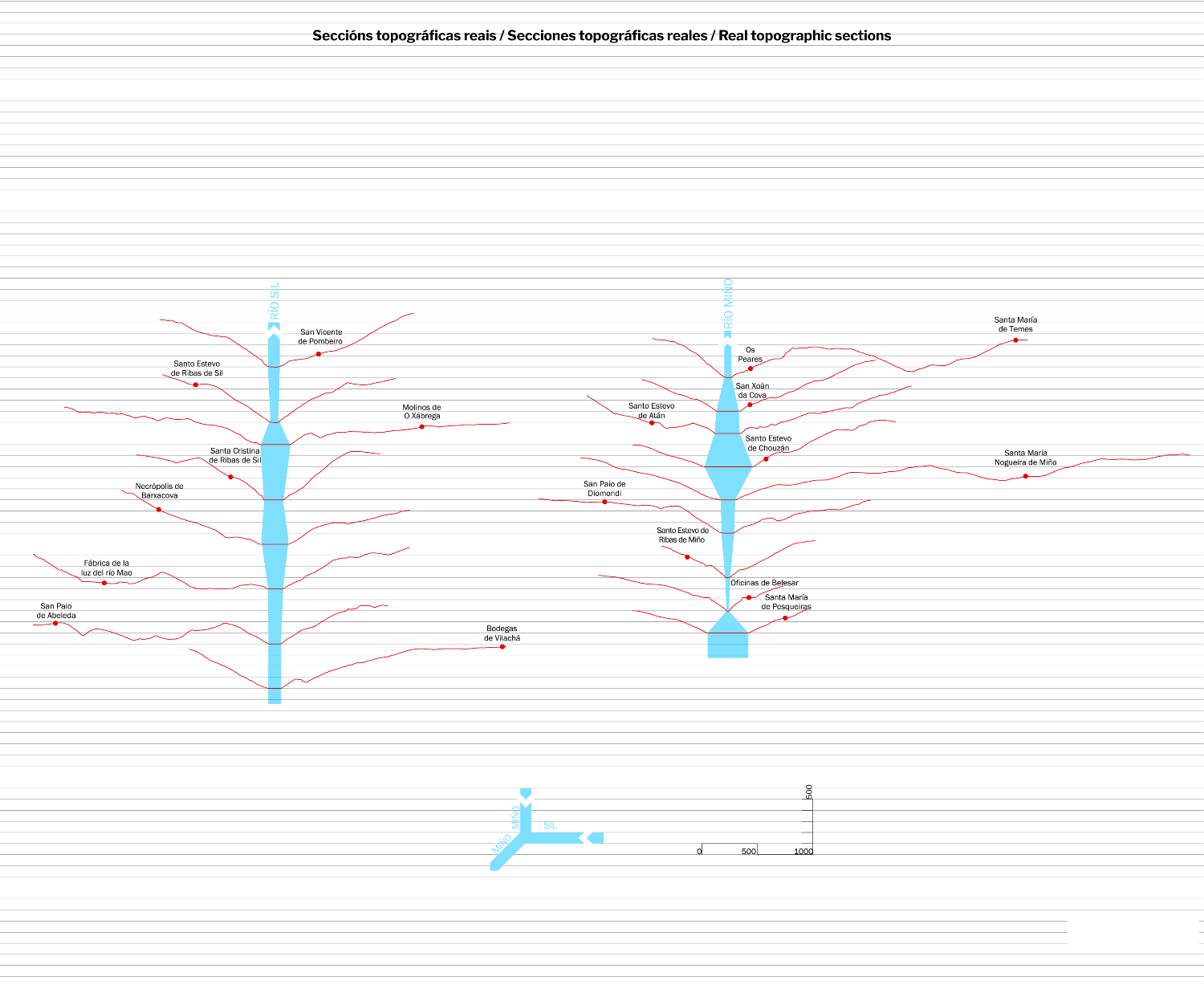
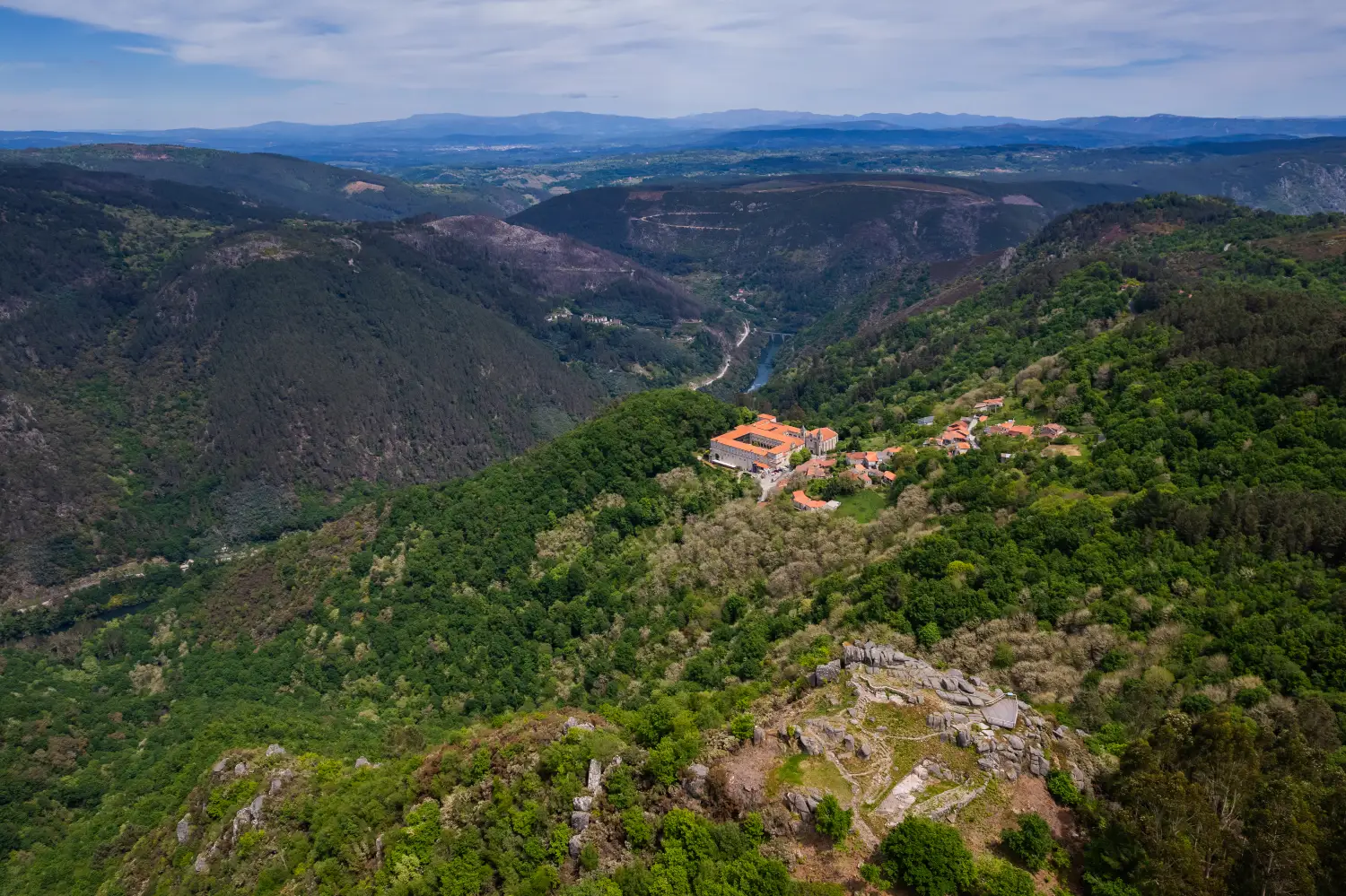
The harmonious relationship between water and land, between cultivated space and built space is a heritage of religious communities. The traces of the role of the monasteries in the origin of the hydraulic culture of the territory are related to the outcrops of land and water mills throughout history.
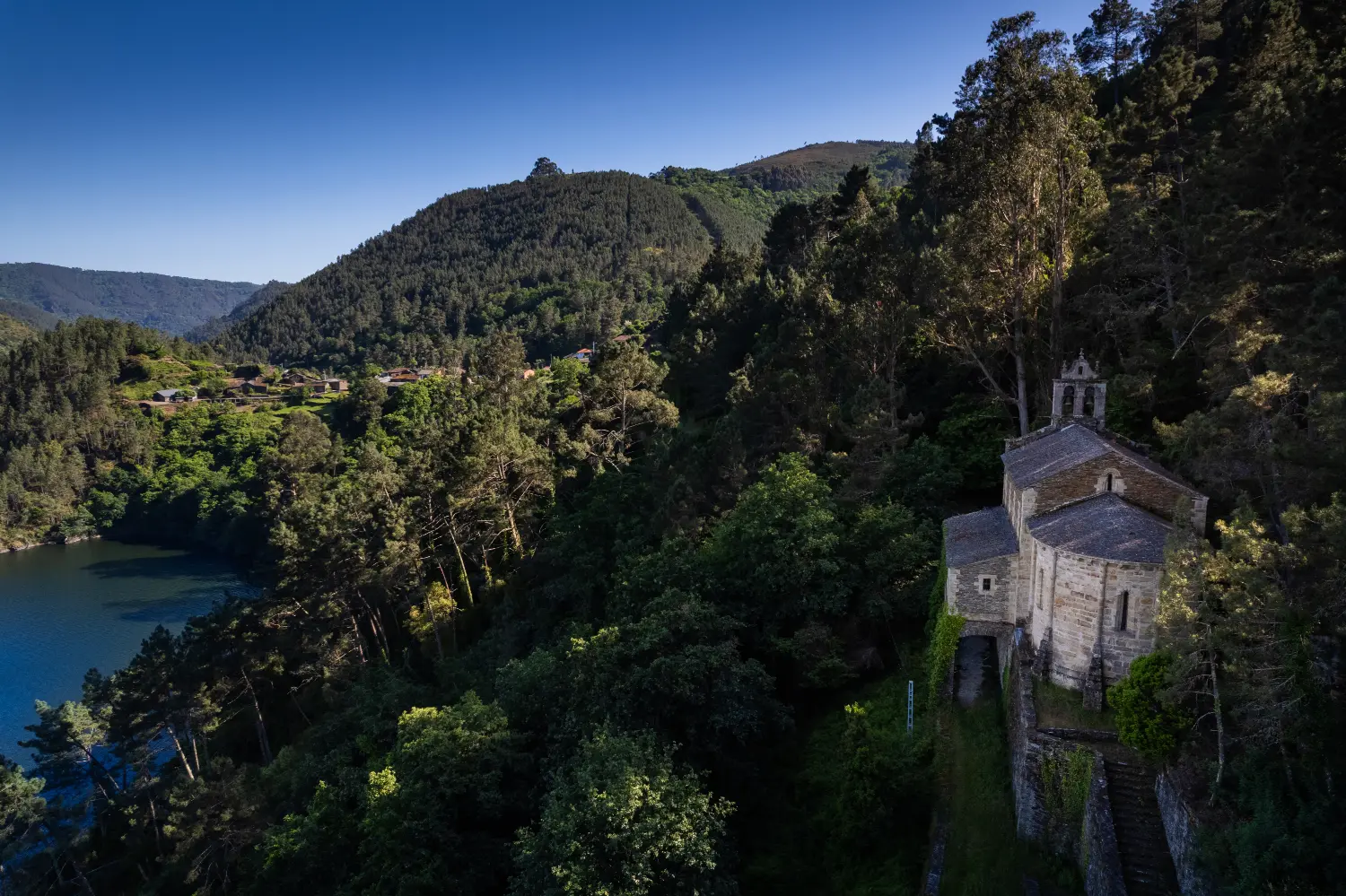
The hermitages and the forest of churches and monasteries illustrate an essential stage in the evolutionary process of the cultural waterscape. Some churches moved away from the canonical east-west orientation, to stand like balconies over the rivers, halfway between the water and the sky.
83 monasteries documented in the 22 town councils that contribute territory to the Heritage of Cultural Interest